Three-year total cost
Implementation, maintenance and internal time, for each option.
Build vs buy advisory
Build versus buy is usually argued with anecdotes and decided by whoever is most confident. We model it: total cost at your real volumes over three years, what each option constrains, and what happens if you change your mind later.
What you get
Implementation, maintenance and internal time, for each option.
Sensitivity to volume, where per-row pricing often breaks.
Whether your team can realistically own a build.
What leaving costs, and whether your data comes with you.
The problem
The buy case counts the license and ignores implementation, integration and the engineer who ends up maintaining it anyway. The build case counts the initial sprint and ignores that maintenance runs forever and the person who built it will eventually leave. Neither models the volume growth that changes the answer entirely, and neither prices the switching cost if the decision proves wrong. So a decision worth hundreds of thousands over three years gets made on two incomparable numbers.
What the analysis covers
How we work
Define requirements precisely, separating what you need from what a demo made appealing
Model total cost for each option at current and projected volumes
Assess your team's capacity and appetite to maintain a build, which is usually the deciding factor
Present the comparison with assumptions visible, so your team can test the conclusion
What we use
Related work
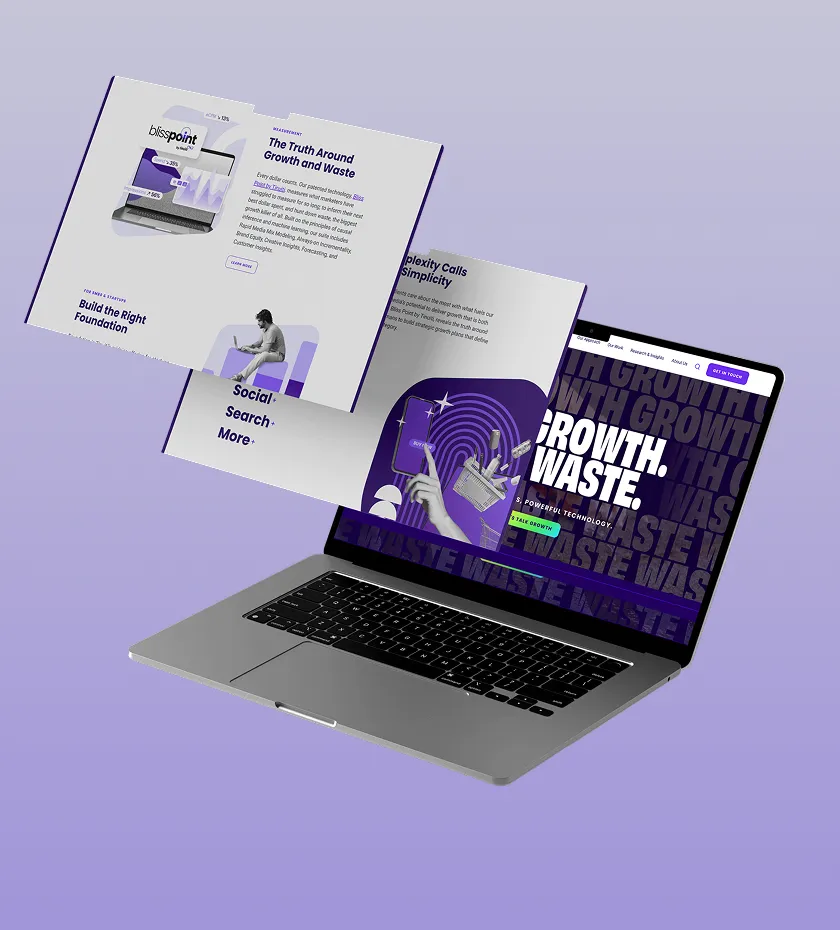
We rebuilt the ETL, warehouse and automation layer across Amazon, Walmart, TikTok, Instacart and Criteo.
Read the case study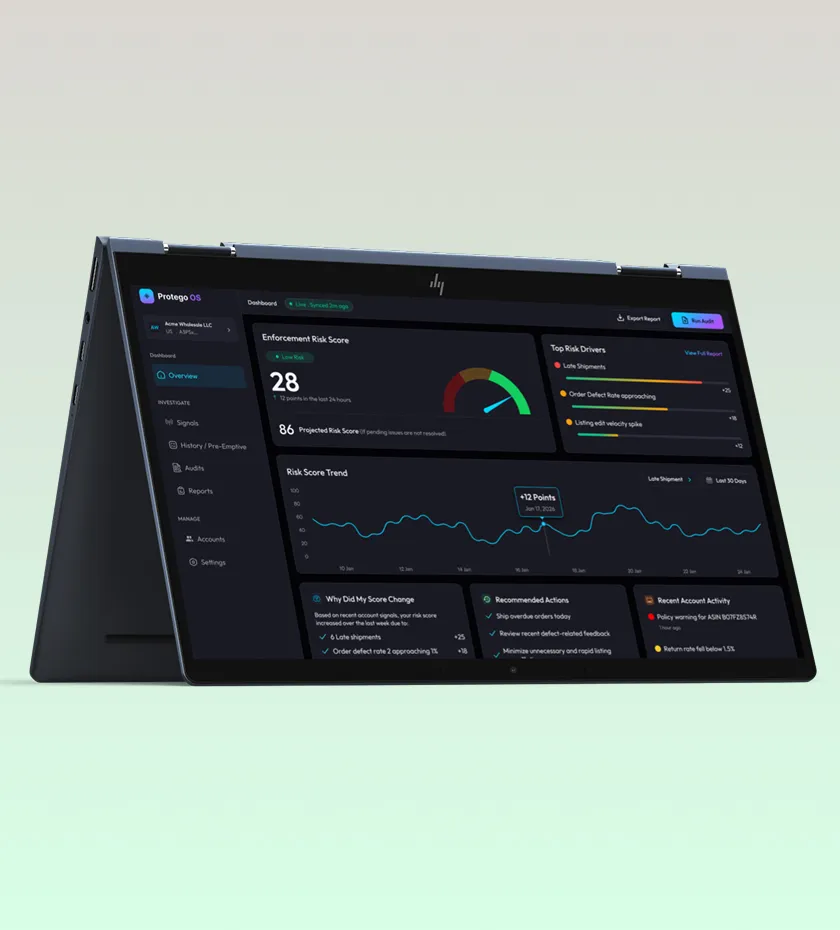
We built Protego's SP-API backend: secure OAuth, ingestion pipelines and the Reports API workflow.
Read the case study
We built ETL pipelines into one data model and one dashboard for Amazon, Walmart and Instacart campaigns.
Read the case studyFAQ
It is a fair question given what we sell, so the analysis exposes every assumption for you to challenge. In practice we recommend buying more often than not: for standard problems with mature products, buying wins clearly. Building wins where the capability is genuinely differentiating, where per-unit vendor pricing breaks at your scale, or where no product fits without heavy customization.
Two things, consistently. On the build side, treating maintenance as near zero when it is typically a meaningful ongoing fraction of the initial cost, every year. On the buy side, ignoring how usage-based pricing scales, which is how a comfortable contract becomes the largest line item in the data budget within two years.
Yes. We assess them against your written requirements, dig into pricing mechanics at your projected volumes, and identify contract terms worth negotiating. We take no vendor commissions or referral fees, which is what makes the assessment worth having.
It frequently is, and that is a legitimate recommendation. Buy the commodity layer, build the differentiating part. What matters is drawing that line deliberately rather than ending up with a hybrid nobody designed.
Related
Identity resolution, unified profiles and consent-aware activation in your warehouse.
Learn moreA written assessment of your data stack and a prioritized roadmap, in 2 to 3 weeks.
Learn moreA fixed-scope build first, then we run it monthly or hand it to your team.
Learn moreTell us what you are choosing between and we will model total cost and risk at your real volumes.