




Tenant-safe by design
Multi-tenant ingestion with per-customer isolation, quotas and fair scheduling.
For ad-tech & SaaS platforms
Amazon Ads, SP-API, Walmart, Google, Meta and TikTok integrations built into your product and kept working as the APIs change, by engineers who work in your codebase and your sprints.
What you get
Multi-tenant ingestion with per-customer isolation, quotas and fair scheduling.
OAuth and credential lifecycle handled across customer accounts, including expiry recovery.
One large customer can’t degrade service for the rest.
Work lands as pull requests in your repo, through your code review and CI.
Sound familiar?
Before and after
What we do
How we work with product teams
Review the existing integration layer and the operational load it generates today
Build one new integration end to end, establishing the pattern and the tests
Take over the maintenance burden so your team returns to product work
Add observability and self-service diagnostics to reduce support volume
Engagement
Engineers who have built Amazon Ads API, SP-API, Walmart and Meta integrations before, not generalists learning on your product.
Work lands as pull requests in your repo, through your code review and CI.
Then month to month with notice on capacity changes. Anything shorter is mostly ramp-up.
Code, docs and runbooks are yours. NDA before discovery.
Results
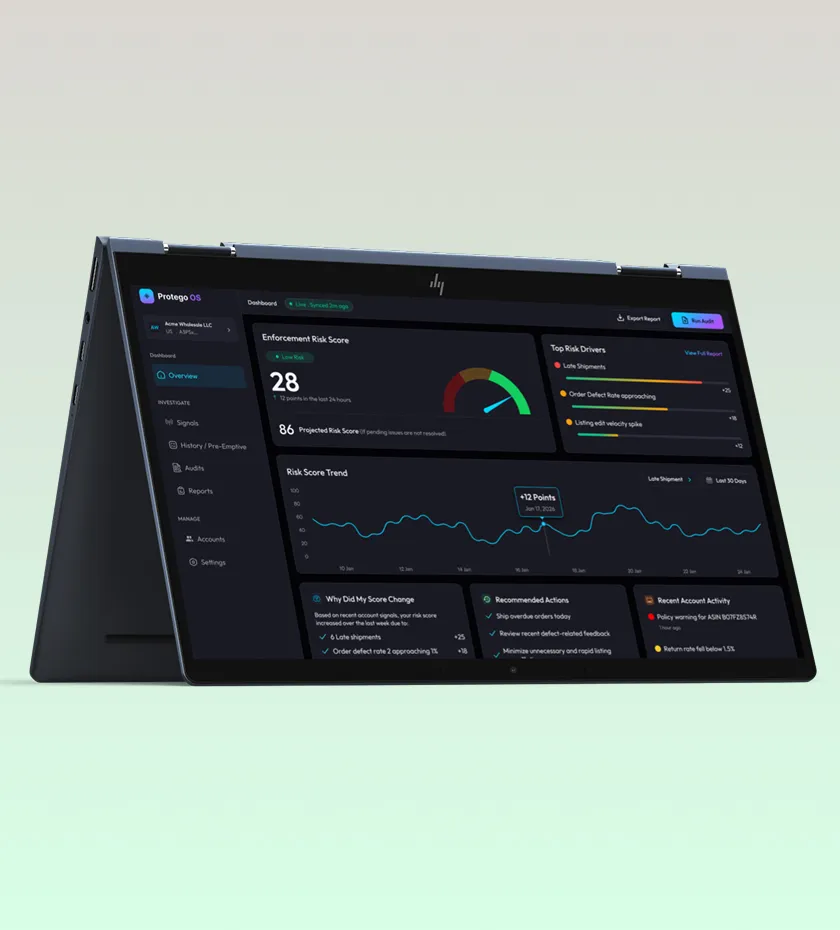
We were engaged to architect and build the complete backend data infrastructure behind Protego: SP-API integration, report ingestion, risk-signal normalization and the scoring pipeline.
Read the case study
TechEsthete worked as an engineering partner to Pixis on two parts of their product: the AI ad platform that manages campaign performance across channels, and the creative studio where teams generate and test ad creative.
Read the case study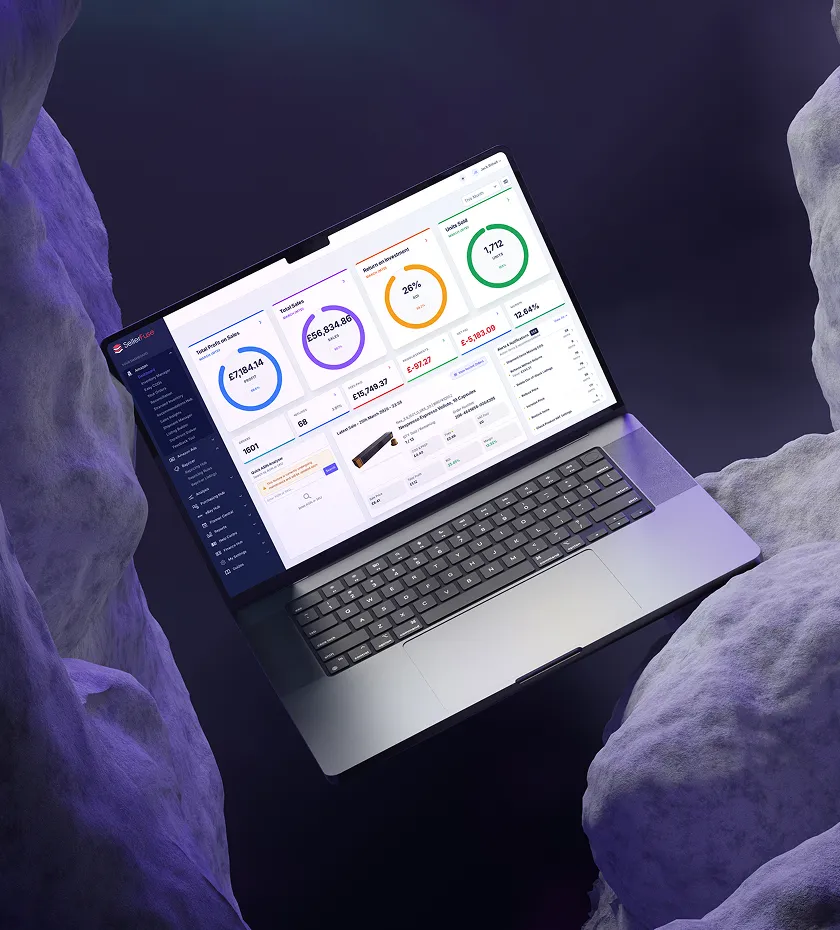
SellerFuse is an Amazon-focused platform for agencies. We built the pipelines, dashboards and automation engine behind it: Ads API and SP-API data unified in one system, with bid, budget and dayparting automation on top.
Read the case studyWhat clients say
“They turned a fragile ETL setup into agentic workflows that monitor and optimize spend inside the rules we set.”
“They plugged in like an extension of our own team: production-ready systems with real engineering depth, not just dashboards.”
FAQ
Not the differentiated part, and we would advise against that. The pattern that works is us owning the integration and ingestion layer, which is essential, specialized, and rarely where your product competes, while your team keeps the features customers choose you for.
Centralized scheduling with per-tenant quotas and fair queuing, so heavy usage by one customer cannot starve others. Backfills run in separate windows from live syncs. Getting this wrong is the most common reason platform ingestion degrades unpredictably as customer count grows.
Yes, and that is the default. We work in your repos, follow your conventions, and go through your review process. Integrations built beside a codebase rather than inside it become the next maintenance problem.
We work under your security model, with least-privilege access and no data leaving your infrastructure. Where you have compliance commitments to your own customers, we work within those controls and document what we touch.
It varies sharply by endpoint, and honest product decisions depend on knowing which. Some pricing and offer data can be near real time. Report-based data is asynchronous and typically lags by tens of minutes at best. Advertising performance restates for up to 14 days. Promising uniform real-time freshness across all of it is a promise the API cannot keep.
Quota is treated as a scarce shared resource with explicit priorities. Time-sensitive endpoints get reserved capacity, low-value polling is replaced by change detection, and consumption is tracked per tenant so you can see the ceiling approaching rather than discover it during a peak.
We have built and operated Amazon automation at multi-tenant scale, including the SellerFuse work in our case studies. The failure modes here are specific and unforgiving, and prior exposure to them is most of the value.
Yes. We build to the data protection policy requirements, including PII handling, retention, encryption, and access logging, and we have taken applications through review before. Retrofitting those controls after a rejection is considerably more expensive than designing for them.
You do. We work in your repo, under your code review, and everything we write is yours.
Yes. We sign your NDA before discovery and a DPA before any customer data access.
Our Surrey, BC team is on Pacific time, three hours behind New York, so live overlap runs from late morning to the end of your day. Pod engineers join your standup at a time agreed at kickoff.
Share the APIs and tenant count. An engineer will tell you how we'd approach it.